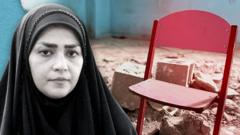
A BBC investigation returned to Minab, Iran, where a deadly strike killed approximately 120 children at a school nearly five months ago. The reporting centers on the raw grief still consuming teachers and parents who survived the attack, with educators and mothers recounting the horror of that day.
The piece examines the lingering trauma in the community through firsthand accounts. A teacher and mother speak directly to the BBC, their testimonies documenting how the tragedy continues to affect survivors. The school strike represents one of the deadliest attacks on a civilian educational facility in recent years, raising questions about the circumstances surrounding the incident and accountability.
Iran has faced international scrutiny over the attack, with investigations ongoing into what precipitated the strike. The BBC's return to Minab underscores how such incidents reshape communities long after initial headlines fade. For survivors, the psychological and emotional weight of losing so many young lives persists.
The reporting captures the human cost of conflict in ways statistics cannot convey. Teachers describe watching their students' lives end. Mothers grapple with incomprehensible loss. These testimonies serve as a record of an attack that fundamentally altered a school and community, leaving families searching for answers about why children were targets and what accountability, if any, will follow.
This kind of persistent coverage keeps attention on civilian casualties and their aftermath, pressuring authorities to explain their actions and potentially face consequences for attacks on protected sites like schools.