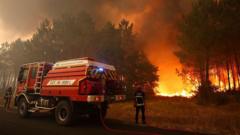
France evacuated 20,000 people, predominantly tourists, from campsites near Arcachon Bay in the Gironde region as wildfires swept through the southwest. The blazes forced authorities to clear popular holiday destinations during peak summer season.
The evacuation centered on the coastal area around Arcachon Bay, a major tourist destination. Most of those displaced came from temporary accommodations at campsites rather than permanent residents. The scale of the evacuation underscores the intensity of the fires and their rapid spread across the region.
Gironde, located in southwestern France, has faced recurring wildfire threats in recent summers. The region's combination of pine forests, dry conditions, and tourism infrastructure creates particular vulnerability during peak season. Tourist evacuations disrupt both the local economy and vacation plans for thousands of visitors.
French authorities deployed resources to contain the fires while managing the logistics of moving 20,000 people from campsites. The evacuation protocol prioritizes visitor safety while maintaining access routes for emergency personnel and evacuation vehicles. Coordinating such large-scale movements requires cooperation between regional fire services, local authorities, and campsite operators.
The incident reflects broader patterns of increasing fire risk across Southern Europe during summer months. Climate patterns have extended the fire season and intensified conditions in vulnerable regions. Arcachon Bay's popular status means evacuations here draw international attention and affect tourists from across Europe.
Recovery efforts involve both containing remaining fires and assisting evacuated tourists with accommodation, transportation, and information. Many visitors faced shortened vacations and travel complications. Local businesses dependent on summer tourism absorbed economic losses from closures and disruptions.