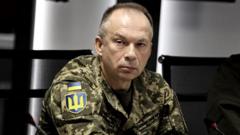
Ukraine President Volodymyr Zelensky removed top military commander Oleksandr Syrskyi following intense public pressure. The dismissal came days after widespread protests erupted over Zelensky's firing of Defence Minister Mykhailo Fedorov, a popular figure who had gained credibility for his combat experience and public visibility.
Syrskyi, who led Ukraine's armed forces as commander-in-chief, faced mounting criticism tied to the Fedorov controversy. The back-to-back personnel shake-ups signal instability in Ukraine's military leadership at a critical moment in the war against Russia. Public sentiment proved decisive. Fedorov's removal triggered significant backlash both domestically and internationally, as many Ukrainians viewed him as competent and trusted in wartime conditions.
Zelensky's decision to remove Syrskyi appears designed to contain the political damage and restore confidence. The timing reflects how military and defense personnel have become lightning rods in Ukrainian politics, with public opinion capable of forcing rapid leadership changes. Fedorov's popularity stemmed partly from his visibility on social media and willingness to engage directly with Ukrainian citizens about military strategy and battlefield conditions.
The command shakeup underscores internal tensions within Ukraine's wartime government. Such leadership instability can complicate military operations and strategic planning when Ukraine faces sustained Russian aggression. The speed of Zelensky's response to public pressure demonstrates that even wartime leadership faces democratic accountability. However, frequent changes at the top military ranks risk creating operational confusion and reducing strategic continuity.
The incident reveals how Ukrainian civil society and media scrutiny continue shaping government decisions, even during wartime. Whether the removals ease tensions or signal deeper institutional friction remains unclear.