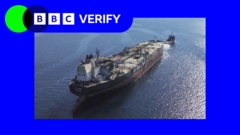
Oil tankers operating in the Red Sea have abruptly reversed course following fresh threats from Yemen's Houthi rebels against commercial shipping. Vessel-tracking data confirms that multiple ships bound for or departing from Saudi Arabian ports changed direction to avoid the contested waters.
The Houthis have maintained an aggressive posture toward maritime traffic transiting the Red Sea for months, citing solidarity with Palestinians in Gaza. Their attacks and threats have forced shipping companies to divert routes, adding significant costs and delays to global trade. The group's anti-ship capabilities, including drone and missile strikes, have proven credible enough to alter major shipping patterns.
Saudi Arabia, a critical oil exporter, depends heavily on Red Sea access for its petroleum exports. Diversion of tanker traffic represents a concrete economic pressure on the kingdom and disrupts energy markets already sensitive to supply disruptions. Insurance premiums for vessels in the region have surged, and major shipping lines have rerouted toward longer passages around Africa, effectively penalizing global commerce.
The tanker reversals underscore the growing reach of non-state actors in disrupting critical infrastructure. The Houthis, backed by Iran, have leveraged relatively low-cost weaponry to impose outsized costs on international shipping. Their actions highlight vulnerabilities in chokepoint routes that funnel enormous volumes of global trade.
Regional powers and Western navies have attempted to maintain freedom of navigation, but deterrence has proven incomplete. Shipping companies continue making risk-based routing decisions, treating the Red Sea as a high-threat corridor rather than a standard transit zone.
The pattern reflects broader maritime instability in the Middle East. Until either military pressure or diplomatic negotiations reduce Houthi capability and willingness to attack shipping, tanker operators will continue charting alternative courses, preserving margins over speed.