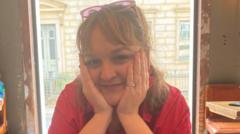
Actor Daneka Etchells waited years for a diagnosis while doctors dismissed her symptoms as psychological. She eventually learned she had a hidden medical condition that caused permanent disability. Now performing in a theatrical production, Etchells shares her story of being medically gaslit.
The experience reflects a broader pattern. Patients with invisible illnesses or rare conditions frequently face skepticism from healthcare providers. Symptoms get attributed to anxiety, stress, or psychosomatic causes when underlying physical pathology exists. Women report encountering this dismissal at higher rates than men.
Etchells' case illustrates how delayed diagnosis compounds harm. Extended periods without proper treatment allow conditions to progress unchecked. What might have been manageable with early intervention becomes chronic and disabling. Her work through theatre aims to raise awareness about diagnostic gaps and the emotional toll of being disbelieved by medical professionals.
This story taps into a patient safety issue gaining visibility. The NHS and medical regulators acknowledge that diagnostic error and bias affect outcomes. Some patients navigate multiple doctors before receiving accurate diagnosis. Others never get answers at all.
Etchells uses performance as activism. Theatre creates space for patients to narrate their own experiences rather than having doctors control the narrative. Her show validates similar struggles others face while pushing for systemic change in how healthcare providers listen to and investigate patient concerns.
The broader context matters too. Medical training often emphasizes ruling out "common" diagnoses first, which can anchor clinicians to incorrect initial impressions. Unconscious bias influences how seriously providers take patients from different backgrounds. Changing diagnostic culture requires both individual accountability and institutional reform.
Etchells' visibility as an actor amplifies this conversation. Celebrity patients drawing attention to healthcare failures creates pressure for improvement. Her performance demonstrates that medical gaslighting has real consequences and demands recognition.