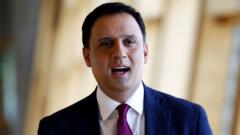
Scottish Labour leader Humza Yousaf, who publicly called for Keir Starmer's resignation months earlier, now faces promotion to a ministerial position within Andy Burnham's administration. The move underscores a notable shift in Labour's internal dynamics as the party consolidates power following recent electoral gains.
Chris Mason, the BBC's political editor, frames this development as emblematic of how Starmer has managed internal dissent. Rather than sidelining vocal critics, the Labour leadership appears to be integrating them into government roles. This strategy reflects a pragmatic approach to party unity, particularly as Labour navigates the complexities of managing both Westminster and devolved administrations.
Yousaf's elevation comes despite his public calls for Starmer to step down, a position that once seemed incompatible with advancement within the party hierarchy. The promotion signals that disagreement with party leadership does not automatically disqualify figures from governmental responsibility. This contrasts with more punitive approaches seen in previous Labour administrations.
The timing matters. Scottish Labour has faced internal challenges, and positioning Yousaf in a ministerial capacity under a regional authority like Burnham's suggests efforts to stabilize the party's Scottish operations while rewarding loyalty where it counts. Burnham's government, potentially operating with expanded powers, provides a platform for senior Scottish figures to exercise influence.
Mason's analysis points to a broader question about Labour's internal culture under Starmer. The party has demonstrated willingness to accommodate former critics in high-stakes positions, betting that shared governmental responsibility trumps past disagreements. Whether this approach strengthens party cohesion or merely papers over deeper ideological fractures remains uncertain.
The promotion illustrates how power dynamics shift when parties move from opposition to government. Starmer's team appears confident enough to integrate skeptics, suggesting either genuine reconciliation or calculated politics aimed at preventing future rebellions from within.