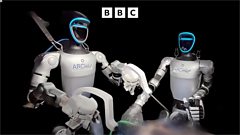
Surgeons in London have successfully operated two humanoid robots from a distance during a live surgical demonstration, marking a major milestone in remote robotic surgery. The procedure showcased the ability to control advanced robots with human-like dexterity and precision in a real operating theatre environment.
The experiment involved surgeons directing robotic arms to perform delicate surgical tasks, proving that complex medical procedures no longer require the surgeon's physical presence at the operating table. This development builds on decades of progress in minimally invasive surgery and telemedicine, technologies that have already transformed patient outcomes across specialties like cardiology and urology.
The demonstration carries serious implications for global healthcare access. Remote surgery could allow expert surgeons in major medical centers to perform procedures in rural hospitals or developing nations facing specialist shortages. It also reduces infection risk and allows surgeons to operate in hazardous environments without direct exposure to biological threats.
However, significant hurdles remain before widespread adoption. Latency, bandwidth requirements, and regulatory approval all demand attention. Surgeons need millisecond-level responsiveness, and any network delay could compromise patient safety. Current systems still require extensive training and real-time video feedback.
The robots use haptic feedback, allowing surgeons to "feel" resistance and tissue texture through controllers, a crucial feature for safe surgery. This sensory loop distinguishes advanced robotic systems from crude remotely operated tools.
Da Vinci surgical robots already enable remote operations at limited distances, but this demonstration pushed the boundaries of what's technically possible. The technology draws interest from military medicine, disaster response, and space exploration contexts where on-site surgeons simply aren't available.
Regulatory bodies will need to establish protocols for remote surgery credentialing and liability before this becomes routine. Insurance coverage and reimbursement models remain unclear. Still, the proof of concept confirms that surgeon-controlled humanoid robots represent the next frontier in surgical innovation, potentially saving lives in underserved regions worldwide.