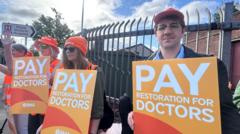
Resident doctors across the UK have begun strike action over pay disputes, with the British Medical Association confirming widespread disruptions to hospital services. The BMA warned that operations, outpatient appointments, and elective care will face cancellations, though the union stressed that patient safety remains the priority during the industrial action.
The strike reflects mounting tensions between junior doctors and the government over compensation. Junior doctors have pushed for pay increases to match inflation and address staffing shortages that have strained the NHS for years. The BMA's statement indicates this action goes beyond a symbolic gesture, with real consequences for non-emergency care delivery across the health system.
NHS trusts have been preparing contingency plans to manage the disruption. Emergency and urgent care will continue, protecting acute patient needs. However, the cancellation of routine procedures and outpatient clinics will create backlogs that could ripple through the system for weeks.
This strike marks an escalation in labor relations within the NHS. Junior doctors have legitimate grievances about real-terms pay cuts as wages failed to keep pace with cost-of-living increases. The action puts pressure on both hospital administrators and government officials to negotiate a resolution.
The timing adds to existing NHS pressures. Emergency departments already operate near capacity, and waiting lists for elective procedures have reached record highs. Any disruption to planned care worsens these metrics, though the BMA contends that pay improvement is essential to retain medical talent and prevent further system collapse.
How long the strike continues remains unclear, with negotiations ongoing between the BMA and health service leadership. Junior doctors represent a critical workforce; their departure or prolonged discontent risks deeper staffing crises across the entire health system.