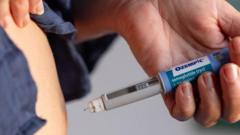
Novo Nordisk filed a lawsuit against Eli Lilly, alleging the competitor engaged in false advertising over its GLP-1 receptor agonist medications. The Danish pharmaceutical giant contends that Lilly's marketing claims about its drug are misleading to consumers and healthcare providers.
Eli Lilly rejected the accusations. The Indianapolis-based company manufactures tirzepatide, which competes directly with Novo Nordisk's semaglutide in the exploding weight-loss and diabetes treatment market. Both drugs belong to the same class of medications, but they differ in formulation and administration methods.
The legal clash reflects intensifying competition in the GLP-1 space, where billions in revenue remain at stake. Novo Nordisk controls the market with its Ozempic and Wegovy brands, which dominated cultural conversations around injectable weight-loss treatments. Lilly's tirzepatide products, Zepbound and Mounjaro, gained rapid traction after launching in late 2023 and early 2024, capturing significant market share despite Novo's first-mover advantage.
Novo Nordisk's complaint centers on how Lilly markets its drugs' efficacy and safety profiles. The specifics of the alleged misleading claims remain under wraps pending litigation proceedings. Such disputes typically involve disagreements over clinical trial data interpretation, comparative effectiveness claims, or how ads present side effects and contraindications.
This lawsuit arrives as both companies face mounting pressure from demand that far exceeds supply. Healthcare systems globally struggle to stock these medications. Patent battles and regulatory scrutiny from agencies like the FDA have already shaped the competitive landscape. Novo maintains pricing power but faces erosion as Lilly gains traction and insurance coverage expands for both options.
The case underscores how fiercely pharmaceutical companies defend market territory when blockbuster drugs generate annual sales in the tens of billions. Investors monitor these developments closely, knowing market share shifts directly impact valuations and long-term profitability for both Novo Nordisk and Eli Lilly.