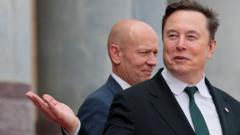
SpaceX shares have fallen below the company's initial public offering price, marking a sharp reversal after its market debut one month ago. The trading volatility reflects investor uncertainty about the aerospace manufacturer's valuation and near-term profitability.
The decline comes as SpaceX continues expanding its Starship program and competing for lucrative government contracts. Musk's involvement in high-profile controversies has also weighed on investor sentiment. The company's stock has swung dramatically since going public, with traders wrestling over whether SpaceX's long-term space ambitions justify its current market capitalization.
SpaceX faced headwinds typical of newly listed companies, but the aerospace sector itself remains turbulent. Competition from Blue Origin and other launch providers has intensified, while government spending on space infrastructure remains unpredictable. The company's reliance on contracts from NASA and the U.S. Department of Defense adds regulatory risk to the equation.
Despite the recent pullback, SpaceX retains significant revenue streams from satellite internet operations through Starlink and commercial launch services. Institutional investors appear cautious about pricing in future growth, particularly given the capital-intensive nature of rocket development and the company's history of delays.
The stock's struggle below IPO levels suggests the market is repricing expectations. Traders now demand proof of execution before rewarding SpaceX with premium valuations. Management will need to demonstrate improved margins and accelerated Starship deployment to restore investor confidence.