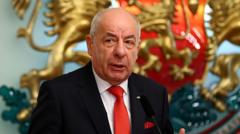
Hungary's President Tamás Sulyok has agreed to resign after the Hungarian parliament voted to remove him from office. Sulyok, widely regarded as an ally of Prime Minister Viktor Orbán, faced a Saturday night deadline to step down. The parliamentary decision to oust the president marks an unusual political reversal in a country where Orbán's Fidesz party maintains tight control over most state institutions.
Sulyok's removal signals internal fractures within Orbán's political apparatus. His resignation came after mounting pressure from parliament, suggesting that even loyalists within the ruling coalition face consequences when political winds shift. The timing remains unclear, but the outcome demonstrates that presidential posts in Hungary's system remain vulnerable to legislative pressure, despite the executive's historical dominance.
The specific reasons for parliament's push to remove Sulyok point to deeper governance concerns, though Orbán's government has not detailed public justifications. Sulyok's agreement to step down before the Saturday deadline avoided a prolonged constitutional standoff that could have embarrassed the ruling party further.
This episode exposes cracks in Orbán's machinery at a moment when Hungary faces EU scrutiny over judicial independence and democratic backsliding. The removal of a presidential ally raises questions about stability within Fidesz's inner circle and whether Orbán's grip on state institutions is loosening.
Hungary's political system vests significant power in the prime minister rather than the president, making the presidency largely ceremonial. Yet the symbolic weight of forcing out a loyalist carries real implications for party cohesion and internal power dynamics. Who replaces Sulyok will reveal whether Orbán maintains full control over succession or whether parliament has genuinely asserted independence.