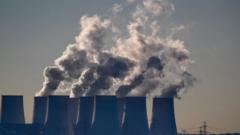
The EU has proposed easing its emissions trading system, extending the timeline for businesses to cut carbon output. The move represents a significant pullback from the bloc's aggressive climate targets, allowing companies more breathing room to transition away from fossil fuels.
The emissions trading system operates as the EU's primary climate policy tool, setting caps on greenhouse gas emissions across energy-intensive industries and forcing polluters to buy allowances for excess emissions. Under the new proposal, those caps would decline more gradually than originally scheduled, giving manufacturers, power plants, and other major emitters additional years to comply.
This shift reflects mounting pressure from European industry and member states concerned about competitiveness. Manufacturers argue that steep, rapid emission cuts raise production costs and make EU goods less competitive globally, particularly against American and Chinese competitors operating under looser environmental regulations. Energy-intensive sectors like steel, cement, and chemicals have lobbied hard for extended timelines.
The timing proves contentious. The EU has positioned itself as a global climate leader, setting binding commitments under the Paris Agreement and promoting the "Fit for 55" legislative package designed to cut net emissions by 55 percent by 2030. Relaxing these targets invites criticism from environmental groups and climate-conscious member states like Germany and Sweden, who view weakening policy as a retreat on climate responsibility.
The proposal also signals internal EU tensions between economic growth and environmental commitments. Southern European nations dependent on manufacturing worry about factory closures, while northern economies push for maintaining strict standards. The final policy will emerge from negotiations between the European Commission, Parliament, and individual member states.
If adopted, the change would effectively delay decarbonization across Europe's largest industrial emitters, potentially impacting the continent's ability to meet midcentury climate neutrality goals.