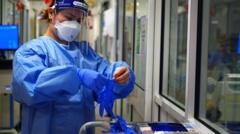
Britain's Covid inquiry has identified serious failures in how the government procured personal protective equipment during the pandemic, with wasteful spending that cost taxpayers billions of pounds. The investigation reveals the state lacked adequate planning before the crisis hit and made poor purchasing decisions once it began.
The inquiry found that government officials failed to maintain sufficient PPE stockpiles despite warnings from public health experts about pandemic risks. When Covid-19 arrived, ministers scrambled to source gloves, gowns, masks, and other equipment at inflated prices. Suppliers exploited urgent demand, and the government accepted poor value deals out of desperation.
Investigators discovered that many PPE orders exceeded what the NHS actually needed. Some purchased stock expired before use. Others proved unsuitable for frontline workers. The government paid premium rates for items that could have been secured at lower cost through proper advance planning and competitive tendering processes.
The report highlights how the Department of Health and Social Care bypassed normal procurement procedures to fast-track orders. While speed was necessary given the emergency, the absence of oversight created openings for overcharging and inefficiency. Officials awarded contracts to suppliers with limited track records in medical equipment manufacturing.
Auditors also noted that poor inventory management meant nobody tracked where PPE ended up or how much remained in storage. Hospitals in some regions faced shortages while warehouses in others held excess stock. Coordination failures between the NHS, government, and local authorities compounded waste.
The inquiry stops short of accusing ministers of deliberate fraud but concludes that institutional neglect and inadequate preparation transformed a health crisis into a financial one. The findings feed into broader criticism that the government was underprepared for a pandemic despite existing contingency plans.