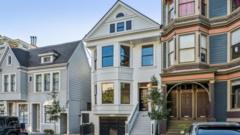
AI engineers and other tech workers earning six-figure salaries are reshaping San Francisco's real estate market, driving median home prices to an unprecedented $1.7 million. The influx of wealth from artificial intelligence roles has intensified competition for limited housing stock in the city, pushing prices beyond previous peaks.
The surge reflects broader labor market dynamics in tech. AI specialists command premium compensation packages as competition for talent intensifies across Silicon Valley and beyond. Companies like OpenAI, Google, Meta, and countless startups are offering substantial salaries to attract engineers, researchers, and product leaders. These workers concentrate in San Francisco, where proximity to venture capital, established tech hubs, and networking opportunities remains valuable despite remote work trends.
The $1.7 million median represents a dramatic shift for a city already notorious for housing costs. San Francisco's median home price has climbed steadily for two decades, but the AI boom has accelerated velocity. Existing homes inventory remains tight. Supply constraints meet surging demand from a worker cohort with genuine purchasing power, creating predictable upward pressure on valuations.
This dynamic extends beyond San Francisco proper. Oakland, Berkeley, and other Bay Area neighborhoods see secondary effects as displaced buyers search for affordability. Rental markets face parallel pressures. Local wages for non-tech workers have not kept pace with housing appreciation, deepening affordability crises for service workers, educators, and middle-income families.
Real estate data shows the trend is sustained, not speculative. AI job postings command median salaries between $200,000 and $300,000 base compensation, before equity and bonuses. That earning power translates directly into bidding wars and premium valuations.
The market reflects fundamental economics. Limited housing plus concentrated high-income employment equals rising prices. San Francisco's desirability among AI talent pools, combined with restrictive zoning and development timelines, ensures the pressure continues. The $1.7 million median home price becomes the new baseline.