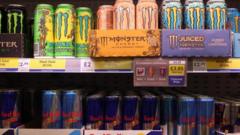
England enforces a sales ban on energy drinks for anyone under 16 starting in April 2025, marking a major shift in youth health policy. High-caffeine beverages like Red Bull, Monster, and similar products will become off-limits to minors, though soft drinks with lower caffeine content remain legal.
The ban targets products typically containing 150mg or more of caffeine per single-serve container. Retailers face fines for violations. The government cited health concerns tied to excessive caffeine consumption in adolescents, including sleep disruption, anxiety, and cardiovascular strain. Studies have linked energy drink consumption to behavioral problems and dental damage in teenagers.
This move follows years of campaigning by health advocates and parents' groups. Scotland implemented a similar restriction in 2022, becoming the first UK nation to do so. Wales and Northern Ireland have explored comparable measures. England's approach aligns with growing international action. Saudi Arabia banned energy drink sales entirely in 2013. The EU has considered age-based restrictions across member states.
Industry groups, including the British Soft Drinks Association, opposed the ban initially, arguing that responsible marketing and parental guidance suffice. However, retailers like Asda and Tesco signaled compliance ahead of the deadline.
Energy drink consumption among UK teens has surged over the past decade. Market research shows adolescents consume these products at rates comparable to or exceeding adult consumption in some regions. Public Health England data reveals concerning patterns, particularly among boys aged 10 to 14.
The ban represents government intervention in consumption habits previously left to family discretion. Enforcement mechanisms remain unclear, though retailers bear primary responsibility. Manufacturers may reformulate products to reduce caffeine and remain market-accessible to younger consumers, following patterns observed in other restricted categories.