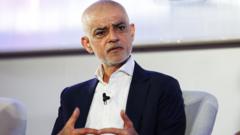
London Mayor Sadiq Khan enters the House of Lords as one of 26 new peers announced by the King. Khan joins broadcaster June Sarpong and former TUC General Secretary Christina McAnea in the appointments, which reflect a push to diversify Britain's upper chamber.
Khan's elevation marks a significant moment for the Labour politician, who has served as London's mayor since 2016 and secured re-election in 2021. His peerage comes as the government continues efforts to reshape the Lords with appointments that represent broader demographic and professional backgrounds. The inclusion of Sarpong, known for her work in media and diversity advocacy, and McAnea, a prominent labor rights figure, underscores an attempt to bring fresh perspectives to the traditionally establishment institution.
The 26 new peers represent various sectors including business, academia, public service, and the arts. This cohort adds to the ongoing debate about Lords reform and whether appointment-based elevation remains the right model for Britain's legislative chamber. The expansive intake continues a pattern of recent governments using peerage appointments to reward political allies and amplify voices they deem important to parliamentary work.
Khan's move to the Lords doesn't require him to step down as London mayor, allowing him to maintain his city leadership role while gaining influence at Westminster. His appointment signals Labour's confidence in deploying senior party figures across multiple levels of governance. For Khan specifically, a peerage represents both recognition of his decade-plus political career and a platform to shape national policy beyond London's boundaries.
The announcements align with broader discussions about who holds power in British governance and how the upper chamber reflects modern Britain's diversity.