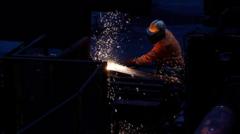
The UK government has formally nationalised British Steel, bringing the Scunthorpe steelworks under public ownership through emergency powers enacted this week. The move represents the state's direct intervention in a critical infrastructure sector as the company faced financial distress and potential collapse.
British Steel, which operates the country's largest steelmaking facility in Scunthorpe, has struggled with mounting losses and debt obligations. The nationalisation prevents immediate closure and preserves thousands of jobs in a region heavily dependent on steel production. The government acquired the company to stabilise operations and secure long-term viability in an industry facing intense global competition, rising energy costs, and fluctuating commodity prices.
The takeover follows years of financial turbulence at British Steel. Previous ownership structures failed to deliver sustainable operations or investment necessary for modernisation. Public ownership grants the government direct control over strategy, capital allocation, and workforce decisions while insulating the company from short-term market pressures that devastated its finances under private management.
This nationalisation reflects broader industrial policy concerns about retaining domestic steel capacity. The UK depends on reliable domestic steel production for construction, automotive, aerospace, and defence sectors. Losing Scunthorpe's output would create supply chain vulnerabilities and force dependence on imports, a risk the government deemed unacceptable for national economic security.
The emergency powers used to facilitate the takeover underscore urgency around the situation. Rather than pursuing traditional privatisation or liquidation routes, the government prioritised speed and control. Future plans likely involve restructuring operations, investing in greener steelmaking technologies, and identifying pathways toward eventual financial sustainability or potential future private investment once the company stabilises.