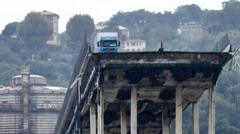
On August 14, 2018, the Morandi motorway bridge in Genoa, Italy collapsed without warning. A massive section of the structure fell onto railway tracks below, killing 43 people instantly. Families of the victims have waited years for judicial accountability.
The collapse sent shockwaves through Italy. The bridge, which had stood since 1967, was a critical artery connecting the port city to France. Investigators quickly identified structural negligence and inadequate maintenance as contributing factors. Autostrade per l'Italia, the private company responsible for managing the bridge, faced scrutiny for failing to address known defects.
The verdict in the case comes as a test of Italy's ability to hold major infrastructure operators accountable. Families of the victims pushed for criminal charges against company executives, arguing that years of deferred maintenance and inspection failures directly led to the tragedy. The bridge's age and design flaws had been documented in technical reports before the disaster occurred.
Italy rebuilt the bridge. Renzo Piano, the renowned architect, designed a new structure that opened in 2020, replacing the failed Morandi bridge. The new design incorporated advanced safety systems and reinforced structural elements.
The legal proceedings have drawn international attention to infrastructure aging across Europe. Many countries operate bridges and roads of similar vintage with comparable maintenance challenges. Italy's handling of this case carries weight beyond Genoa, establishing precedent for how governments and private operators face consequences when infrastructure fails catastrophically.
The 43 victims remain the focal point. Their families sought justice, not just compensation. The verdict determines whether corporate negligence in public safety reaches the threshold for criminal liability in Italy's legal system. The outcome will influence how private infrastructure companies across Europe approach maintenance and safety protocols going forward.