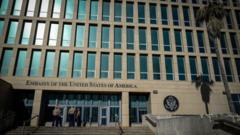
The U.S. State Department has awarded $3 million in compensation to victims of Havana Syndrome, a mysterious neurological condition that has plagued American diplomats and intelligence officials for over a decade. The payout resolves a class-action lawsuit filed by affected personnel and their families.
Havana Syndrome emerged around 2016 when U.S. embassy staff in Cuba reported experiencing sudden, debilitating symptoms including headaches, balance problems, hearing loss, memory issues, and cognitive difficulties. The condition subsequently spread to diplomatic and intelligence personnel across multiple countries, including China, Russia, and several U.S. locations. Hundreds of cases have been documented worldwide.
The exact cause remains unknown, fueling speculation about directed energy weapons, sonic attacks, environmental toxins, or psychological factors. The State Department and intelligence agencies launched multiple investigations, but no definitive explanation has emerged. A 2021 National Academies of Sciences report suggested pulsed radio-frequency energy as a plausible cause, though without confirming evidence.
The settlement reflects the government's acknowledgment that affected diplomats and officers suffered genuine harm, even without scientific consensus on etiology. Victims endured significant medical expenses, lost productivity, and psychological distress while authorities grappled with the diagnosis. Many received inadequate medical support initially, forcing families to pursue their own treatment options.
The $3 million payout, while substantial, represents a modest settlement relative to the number of victims and the severity of symptoms reported. The compensation provides some financial relief but leaves the underlying mystery unresolved. Intelligence agencies continue studying potential causes, and the State Department has implemented enhanced medical protocols for personnel posted to high-risk locations.
The Havana Syndrome case underscores the vulnerabilities U.S. personnel face abroad and the government's struggle to protect diplomats from emerging threats, whether technological, environmental, or otherwise.