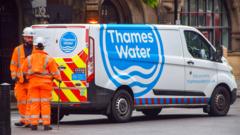
Thames Water has returned to profit for the first time in years after imposing a controversial 40 percent bill hike on customers, but the utility giant remains in serious financial distress. The company's latest results offer only a temporary reprieve, not a lasting turnaround, putting Mayor Andy Burnham and Greater Manchester's regulators in a precarious position.
The water company's profitability masks deeper structural problems. Thames Water still carries enormous debt, continues losing water through leaks at alarming rates, and faces mounting pressure to invest in aging infrastructure across London and the southeast. Customer anger over the bill increase has intensified scrutiny of executive pay and dividend policies during a cost-of-living crisis.
Burnham now faces a critical test. As an influential regional leader, he must balance demands from residents furious over rising bills against pressure to keep the struggling utility solvent. Thames Water's vulnerability also threatens broader stability across the water industry, where similar companies face comparable financial pressures and aging infrastructure backlogs.
The 40 percent hike represents one of the largest increases allowed by regulator Ofwat, and it bought Thames Water breathing room rather than breathing space. The company still requires significant capital investment to reduce non-revenue water loss, upgrade treatment facilities, and meet environmental standards. Future rate hikes appear inevitable unless the company fundamentally restructures its operations or accepts lower returns for shareholders.
Burnham's position reflects the wider tension between protecting vulnerable customers and maintaining essential services. Regulators and politicians across England face similar dilemmas as water companies attempt to balance financial survival with public accountability. Thames Water's next few years will test whether infrastructure privatization works when companies face genuine solvency threats.