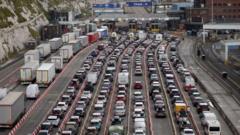
Port of Dover officials are implementing new measures to prevent a repeat of the May bank holiday chaos that left travelers stranded in massive queues. The UK's busiest passenger port, which processes over 2 million vehicles annually, faced severe congestion during the recent holiday period when delays stretched for hours.
The port authority has introduced additional traffic management protocols and increased staff deployment at border control checkpoints. Officials are working with French authorities to streamline cross-Channel procedures and reduce processing times. The measures focus on pre-journey planning and real-time queue monitoring systems that alert travelers to optimal departure windows.
Capacity constraints during peak holiday periods have long plagued Dover. The summer season typically brings a 30-40 percent surge in traffic compared to baseline levels, concentrating thousands of vehicles into a relatively fixed infrastructure. Last May's disruptions triggered complaints from frustrated passengers and damage to the port's reputation as a reliable travel gateway.
The port is coordinating with transport operators and government agencies to spread traffic more evenly throughout summer weeks. Digital signage and mobile app notifications guide drivers to less congested departure times. French customs improvements on the Calais side of the Channel also contribute to faster throughput.
Officials emphasize that infrastructure improvements alone cannot solve the problem. They stress the importance of traveler cooperation through advance planning and using less popular travel windows. The port warns that summer holidays remain the most challenging period operationally and recommends passengers depart on quieter days when possible.
Success depends on balancing commercial interests with passenger experience. Dover generates significant economic value for the region and UK exports, but poor service during peak periods risks pushing traffic to alternative routes through the Channel Tunnel or other ports.