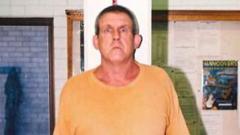
Australian police released previously unseen photographs from the 1992 murder investigation of British backpacker Peter Falconio, hoping the images spark new leads in a case that remains unsolved after more than three decades. Falconio disappeared while traveling through the remote Outback with his girlfriend Joanne Lees, who survived the attack by hiding in the bush and flagging down a truck driver hours later.
The case gripped both Australia and the UK for years. Joanne Lees identified Bradley John Murdoch as her attacker, and he received a life sentence in 2005 for Falconio's murder, though the body was never recovered. Murdoch has maintained his innocence. Police releasing the photographs now suggests they're still pursuing avenues to locate Falconio's remains, which could provide closure to his family and potentially strengthen their case with physical evidence.
The timing of the photo release reflects a broader investigative strategy in cold cases. Long-dormant details sometimes trigger memories in people who initially had information but didn't come forward. The Australian outback where Falconio vanished covers vast, sparsely populated terrain, making body recovery exceptionally difficult without specific leads.
This case became a landmark moment in Australian true crime, influencing how authorities handled missing persons investigations in remote regions. Releasing unseen evidence after so long signals that investigators haven't abandoned the case despite the decades elapsed. For Falconio's family in Britain, the renewed push represents continued official commitment to finding their relative and providing answers that have eluded them for 25 years.