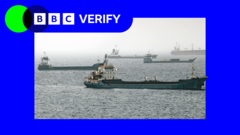
Ship traffic through the Strait of Hormuz collapsed this week following fresh attacks on vessels in the critical waterway. Data tracking maritime movements shows a sharp drop in oil tankers, gas carriers, and cargo ships using the US-backed transit route after multiple strike incidents.
The decline reflects renewed security concerns in one of the world's most vital chokepoints. The Strait of Hormuz channels roughly one-third of global seaborne oil trade, making disruptions to shipping patterns immediately relevant to energy markets and global supply chains.
Attacks on commercial vessels in the region have escalated tensions and spooked shipping operators. Companies face pressure to reassess routing decisions, insurance premiums spike when transit risk climbs, and every day of reduced throughput tightens global energy supplies. The impact ripples across energy prices and supply-chain timelines for petrochemicals and liquefied natural gas.
The waterway's geopolitical standing intensifies the stakes. US military presence aims to keep sea lanes open and protect allied interests, but recent incidents have proven the route remains vulnerable. Shipping companies now weigh the cost savings of the Hormuz route against heightened insurance and security protocols required for transit.
This bottleneck matters. Oil prices typically respond sharply to any real or perceived supply disruption. When tankers reroute around the Cape of Good Hope or reduce sailings entirely, crude inventories face pressure, and downstream fuel costs climb. For energy-dependent economies already contending with inflation, another supply shock carries serious consequences.
The timing compounds existing market fragility. Global energy supplies remain tight, and shipping hesitancy in the Hormuz adds another layer of supply uncertainty. Whether this disruption proves temporary or signals a sustained shift in maritime behavior will define energy costs and economic stability for months ahead.