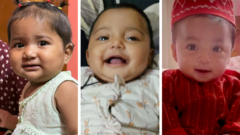
Bangladesh faces a measles crisis. The country reported 120,000 cases, with hundreds of children dying as hospitals overflow with patients. This represents a dramatic reversal for a nation that had made substantial progress controlling the disease.
The outbreak centers on pediatric wards struggling to handle the volume. Healthcare facilities lack capacity to manage severe complications like pneumonia and encephalitis, which drive mortality rates higher. Malnutrition among vulnerable populations compounds the problem, weakening immune responses and increasing death risk.
Vaccination coverage gaps explain the surge. Bangladesh achieved strong measles immunization rates in previous years, but recent disruptions to routine immunization programs created pockets of unvaccinated children. The disease spreads rapidly through these gaps. Experts point to delays in vaccination campaigns during pandemic disruptions and insufficient catch-up efforts afterward.
The situation demands immediate intervention. Health authorities have launched mass vaccination drives targeting children in affected regions. International health organizations are providing support and medical supplies to overwhelmed hospitals.
Measles, preventable through the MMR vaccine, kills an estimated 107,500 children globally each year. Bangladesh's crisis demonstrates how quickly progress erodes without sustained vaccination infrastructure. The country previously reduced measles deaths significantly through coordinated immunization efforts and surveillance systems.
Recovery requires rebuilding vaccination confidence and accessibility. Parents must reach vaccination sites, and healthcare workers need resources to administer shots safely. Supply chains for vaccines must remain stable and funded.
This outbreak underscores a global pattern. Multiple countries with strong prior measles control now report resurgences. The Democratic Republic of Congo, Pakistan, and Chad all experienced similar reversals recently. Weak routine immunization systems, vaccine hesitancy, and competing health priorities create vulnerabilities.
Bangladesh's health system must act swiftly to prevent further deaths and restore measles elimination progress.