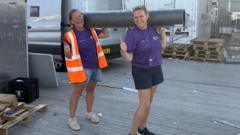
A pair of community groups operating food redistribution programs report unprecedented foot traffic and successful waste reduction efforts. The organizations say they've diverted 34 tonnes of food from landfills while also rehoming unexpected items like carpeting through donation channels.
The record attendances reflect growing public interest in food rescue initiatives, particularly as cost-of-living pressures mount across communities. Food redistribution networks have expanded significantly in the UK over recent years, filling gaps between grocery waste and household food insecurity. These volunteer-run operations typically collect surplus stock from retailers and distribute it through local collection points.
The "random items" reference highlights how modern food banks and community sharing hubs function beyond their primary mission. Alongside perishables and shelf-stable goods, participants bring household goods, clothing, and furnishings they no longer need. This model mimics mutual aid principles where communities collectively address scarcity through sharing networks rather than purely transactional retail models.
The 34-tonne figure carries environmental weight. Food waste represents both a resource loss and a carbon footprint problem. When edible food reaches landfills, it decomposes and generates methane, a potent greenhouse gas. By redistributing rather than discarding, these groups tackle two problems simultaneously: they reduce waste streams while addressing food poverty.
Record attendance suggests community trust in these initiatives. Stigma around food assistance has gradually diminished as programs expand into mainstream spaces and serve diverse demographics beyond traditional welfare recipients. The casual mention of "a carpet" suggests these hubs function as genuine community gathering spaces where practical sharing happens without bureaucratic friction.
For charities and local governments, this data validates investment in food rescue infrastructure. As demand remains high and waste streams grow, community-led redistribution offers a low-cost, high-impact model that engages residents directly in sustainability solutions.