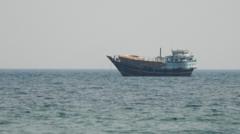
The US military asserted the Strait of Hormuz remains operational after Iran launched coordinated strikes across the Middle East, targeting American bases and allied positions. Iranian officials claimed earlier they had closed the critical waterway, a chokepoint through which roughly 20 percent of global oil traffic flows daily.
Iran's attack involved a barrage of ballistic missiles and drones aimed at facilities in Iraq, Syria, and the UAE, as well as Israel. The strikes appeared tied to escalating regional tensions and came after earlier Israeli military operations. The US responded with air defense deployments and counterattacks, moving to protect assets and personnel stationed throughout the region.
The Strait of Hormuz sits between Iran and Oman and serves as the gateway to the Persian Gulf. Any sustained closure would ripple through global energy markets immediately. Oil prices spiked following Iran's attack announcement, reflecting trader concerns about supply disruptions, though the waterway itself remained accessible to commercial shipping despite the military conflict.
Pentagon officials stressed that US naval assets maintained freedom of navigation through the strait. No vessels were forced to reroute, and commercial traffic continued, though security concerns prompted some shipping companies to exercise heightened caution. The US Fifth Fleet, based in Bahrain, coordinated responses and monitored Iranian movements.
The exchange marked an escalation in months of tit-for-tat military actions between Washington and Tehran across Iraq and Syria. Each side blamed the other for initiating the latest round. Iran framed its strikes as retaliation for alleged US aggression, while American officials characterized the Iranian attacks as unprovoked and destabilizing.
Energy markets absorbed the initial shock, but sustained calm in the strait suggested traders believed de-escalation remained possible. However, the risk of further Iranian action or US retaliation kept oil volatility elevated, with observers watching for any signs the conflict might intensify beyond current proxy-style operations.