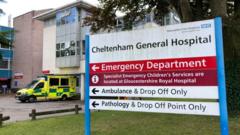
The British Medical Association suspended its strike action after the government tabled a fresh pay proposal for resident doctors. Hospitals will continue operating normally, avoiding the widespread service disruptions that had threatened the NHS.
The BMA represents thousands of junior physicians across the UK health system. Talks stalled months ago over compensation gaps, with junior doctors arguing their salaries had fallen significantly behind inflation over the past decade. The union demanded a 35 percent pay rise to restore lost purchasing power.
The government's revised offer moves negotiations forward, though full details remain unclear. The pause signals both sides recognize room for compromise. Junior doctors now face a critical decision point. If the new terms prove inadequate, strikes could resume. If acceptable, the agreement would end months of industrial action that disrupted elective surgeries and patient care.
This moment matters for NHS stability. Junior doctors form the backbone of Britain's hospital workforce, and their retention depends partly on competitive pay. Burnout and emigration to better-paid positions abroad have already weakened staffing levels. A resolution preserves institutional knowledge and prevents further brain drain.
The strike pause also reflects shifting political pressure. Public sympathy for healthcare workers remains high, but prolonged action tests patience. The government faced mounting costs from strike disruptions, while the BMA weighed member fatigue against long-term wage stagnation.
Next steps depend on whether the BMA membership votes to accept the government's revised proposal. Union leaders will assess whether the offer truly addresses the financial erosion junior doctors have endured. Pay restoration in the NHS ranks among Labour's stated commitments, making this negotiation a test of government credibility on healthcare funding.