# Unmasked: Late-Diagnosed Autistic Women Reshaping Understanding
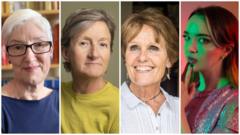
Late-diagnosed autistic women are driving a seismic shift in how the world understands autism, challenging decades of clinical bias that left them invisible. The BBC Health report spotlights women who discovered their autism in adulthood, often after years of misdiagnosis or no diagnosis at all, and are now authoring new frameworks for understanding the condition.
The core problem runs deep. Autism diagnosis criteria historically centered on how the condition manifests in boys and men, leaving girls to develop sophisticated masking behaviors. They suppressed stimming, maintained eye contact through sheer effort, and navigated social situations by mimicking neurotypical peers. This camouflage went undetected by clinicians, teachers, and sometimes family members for decades.
Women arriving at diagnosis later in life report relief mixed with grief. They finally understand why social interaction exhausted them, why certain sensory experiences triggered shutdown, why they'd adopted rigid routines. The diagnosis reframes a lifetime of perceived failure into neurodivergence.
These women now channel that understanding into advocacy and research. They're publishing work that expands diagnostic criteria, challenging the male-biased data that dominated autism science. They're documenting how autistic women navigate work, relationships, and identity differently than the textbooks suggest.
The knowledge gap remains substantial. Girls continue receiving late diagnoses or none at all. Early intervention opportunities vanish. Mental health conditions pile up as masking takes its toll.
The women driving this change share a common demand. Clinicians need better training to recognize female autism presentation. Diagnostic frameworks require revision. Most urgently, autistic girls deserve to be recognized now, not decades later when the damage of unmet needs has accumulated.
Their collective voice carries weight. They've lived the consequences of invisibility.