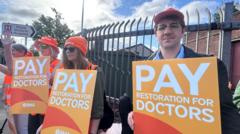
Junior doctors in the UK have launched strike action over pay disputes, forcing the National Health Service to cancel operations, outpatient appointments, and elective procedures. The British Medical Association confirmed the walkout would disrupt non-emergency care while maintaining emergency services and patient safety protocols.
The strike reflects escalating tensions between junior doctors and the government over compensation levels. Junior doctors have faced years of real-wage decline relative to inflation, with their salaries losing ground significantly since 2008. The BMA pushed for substantial pay increases to address recruitment and retention crises affecting hospital staffing across the country.
NHS trusts have activated contingency plans to handle the disruptions. Emergency departments remain fully staffed, and critical care services continue uninterrupted. However, hospitals must reschedule hundreds of routine procedures, creating backlogs in elective surgery and specialist consultations already strained from years of pandemic delays.
This action marks another chapter in the medical profession's industrial unrest. Previous strikes by junior doctors in 2016 drew international attention and exposed deep fractures in healthcare labor relations. The current dispute carries similar weight for workforce morale and patient outcomes.
The broader context involves NHS staffing shortages across multiple roles. Junior doctors represent a crucial tier of hospital operations, handling significant patient care while completing specialty training. Their departure, even temporarily, exposes vulnerabilities in the healthcare system's capacity.
Government negotiations with the BMA will likely dominate health policy discussions. Resolution requires addressing both immediate pay concerns and longer-term workforce sustainability. The strike's duration and scale remain to be seen, but its ripple effects across the healthcare system are immediate and substantial.