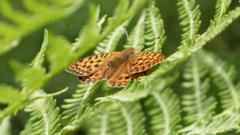
Paul Dunn has devoted more than three decades to saving the high brown fritillary, one of Britain's rarest butterflies. The species has faced catastrophic habitat loss across the UK, with populations plummeting as wildflower meadows vanished and woodland management practices shifted away from the conditions these butterflies need to survive.
Dunn's conservation work focuses on restoring the specific environments where high brown fritillaries thrive. The butterflies depend on violet plants, their sole larval food source, and grassland habitats that remain largely absent from modern British landscapes. His efforts have involved working with landowners, environmental groups, and local communities to recreate suitable conditions on nature reserves and private land.
The high brown fritillary represents a broader crisis facing British butterfly populations. Intensive agriculture, urban sprawl, and fragmented habitats have driven dozens of species toward extinction. The high brown fritillary now survives in only a handful of locations across England, Wales, and Scotland, making conservation efforts like Dunn's essential for preventing total loss.
Dunn's approach combines hands-on habitat management with scientific monitoring. He tracks population numbers, documents breeding success, and identifies which management practices work best for supporting viable populations. His long-term commitment has yielded measurable results, though the species remains vulnerable to setbacks from poor weather or habitat disturbance.
The work underscores how species recovery demands sustained, patient effort over decades. Butterfly conservation offers broader lessons about restoring ecosystems that have been degraded by human activity. Success with the high brown fritillary could inform strategies for protecting other threatened species facing similar challenges across the British countryside.