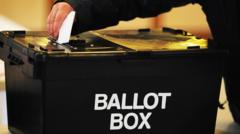
Clacton's by-election race is shaping up with a diverse slate of contenders vying for the Essex seat. The constituency, currently held by the ruling Conservative party, has attracted candidates across the political spectrum and beyond.
The field includes traditional party nominees from Labour, the Liberal Democrats, and the Greens, each banking on voter dissatisfaction to flip the seat. Reform UK, the populist outfit that's made inroads in this corner of England, fielded a candidate. The Brexit Party's legacy looms over Clacton, where Nigel Farage once held sway.
But the race extends well beyond Westminster establishment players. Independent candidates entered the fray, bringing idiosyncratic platforms and local grievances into the race. One candidate's campaign hinged on municipal waste management and wildlife concerns. Another ran with mysticism-inflected messaging that signals the broader splintering of electoral politics beyond traditional left-right divides.
Clacton represents a bellwether for post-pandemic Britain. The by-election test reveals whether the Conservatives hold ground in a seat they've controlled since 2005, or whether fragmentation on the right (Reform UK's anti-establishment posture) or left-wing consolidation (Labour's recovery strategy) reshapes the map.
The candidate list itself tells the story: Clacton voters face a choice between establishment parties reasserting control and outsider insurgents betting on populist messaging. The bin, the foxes, the mystic. These aren't throwaway details. They're symptoms of how localized politics have become, how frustrated electorates now seek representation from candidates who speak their language, even if that language exists outside traditional partisan frames.