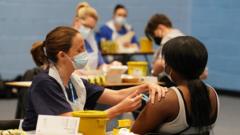
The UK's meningitis B vaccine rollout remains limited to specific groups despite the pathogen's severity. The NHS currently offers the Bexsero vaccine only to infants at two, four, and twelve months old, plus select high-risk teenagers and young adults up to age 25.
Eligibility extends to those with compromised immune systems, asplenia, or complement deficiencies. Close contacts of confirmed meningitis B cases receive temporary protection. University students in their first year can access the vaccine through campus health services. However, the broader teenage population lacks routine access.
The decision reflects cost-benefit analysis rather than disease severity. Meningitis B causes rapid, life-threatening infection with potential for permanent neurological damage or death. The disease remains rare in vaccinated age groups compared to unvaccinated cohorts in other countries offering universal teenage coverage.
Health authorities cite budget constraints and epidemiological data suggesting lower disease burden in certain age groups as rationale for the restricted approach. The Bexsero vaccine carries a substantial price tag per dose, influencing NHS commissioning decisions. Other European nations, including Spain and Italy, have adopted universal teenage vaccination programs.
Parents and medical professionals have questioned why the UK limits access when the vaccine demonstrates strong efficacy and safety profiles. Advocacy groups highlight that meningitis B can strike healthy adolescents without warning, progressing from initial symptoms to severe illness within hours.
The disparity creates a two-tier system where family circumstances and medical history determine vaccine eligibility rather than age alone. Risk-stratified approaches protect vulnerable populations but leave many teenagers without protection against a disease with no warning signs. Recent outbreaks at universities have renewed calls for broader vaccination strategies aligned with other high-income healthcare systems.