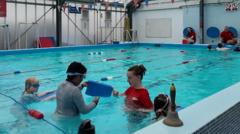
A new Water Safety Forum launches in primary and secondary schools this autumn, addressing a growing gap in aquatic education across the UK. The initiative comes as swimming organizations push for expanded water safety instruction beyond basic swimming lessons.
The forum targets a critical vulnerability. Many students complete their school years without mastering essential survival skills like treading water, understanding rip currents, or recognizing hypothermia symptoms. Swim clubs argue that curricular water safety education remains fragmented and inconsistent, with some schools dedicating minimal time to drowning prevention while others neglect it entirely.
This push reflects broader concerns about youth water safety. The Royal Life Saving Society UK reports that drowning ranks among the leading causes of unintentional injury death for children and young adults. Yet school programs often prioritize competitive swimming strokes over practical survival competencies. Students may pass their swimming badges without learning what to do if they fall into open water unexpectedly.
The Water Safety Forum aims to standardize instruction by providing schools with structured curricula covering hazard awareness, water confidence, and emergency response. The program integrates into existing PE and science lessons rather than demanding additional teaching time, making adoption more feasible for resource-constrained schools.
Swim club advocates emphasize that water safety literacy benefits everyone, not just competitive swimmers. Drowning happens silently and quickly. Teaching children to stay calm in water, float on their backs, and signal for help creates layers of protection that formal swimming lessons alone cannot provide.
Implementation begins this autumn across participating schools. Success depends on uptake rates and teacher training availability. If schools embrace the forum comprehensively, water safety instruction could shift from an afterthought to a foundational life skill alongside first aid and emergency response training.