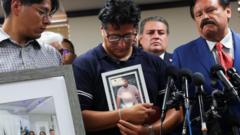
Immigration and Customs Enforcement fatally shot Lorenzo Salgado Araujo during a traffic stop in Houston, but he was not the target of their operation, according to the Department of Homeland Security. Agents conducting enforcement operations mistakenly identified Araujo as their intended subject and opened fire, killing him.
The incident raises serious questions about ICE's identification protocols and officer training during high-risk enforcement encounters. Traffic stops involving immigration agents have become flashpoints for debate over federal enforcement tactics, particularly when deadly force enters the picture. The agency's acknowledgment that agents shot the wrong person underscores longstanding concerns about accuracy in suspect identification and the split-second decision-making that precedes lethal force deployment.
DHS has not yet released comprehensive details about what led agents to believe Araujo matched their suspect, whether he was armed, or how the shooting unfolded. The agency typically conducts internal reviews of officer-involved shootings, though those investigations are often shielded from public scrutiny under federal exemptions.
This incident mirrors broader tensions surrounding ICE operations in major cities. Advocates have long criticized the agency's tactics during enforcement actions, arguing that aggressive approaches put both the public and officers at risk. Araujo's death adds another layer to an ongoing national conversation about whether ICE's operational methods adequately protect innocent bystanders.
The Houston shooting will likely face renewed scrutiny from civil rights groups and immigration advocacy organizations. Federal law enforcement agencies face mounting pressure to improve accountability mechanisms and ensure that fatal encounters involve confirmed threats rather than mistaken identity. The case demonstrates how quickly enforcement operations can turn tragic when identification procedures fail.