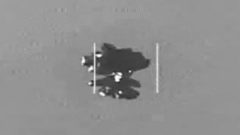
The US government released its fourth batch of declassified UFO files, continuing a steady stream of unresolved aerial phenomena cases to the public. The Office of the Director of National Intelligence oversaw the publication, which features documented sightings characterized by unconventional craft shapes and unexplained lighting patterns.
The latest release maintains the government's commitment to transparency on cases that remain scientifically unexplained. Officials indicated additional files will become available on a rolling basis, suggesting this disclosure process represents a long-term initiative rather than a one-time event.
Previous instalments have included detailed military pilot accounts, sensor data, and incident reports spanning decades. The current batch follows similar patterns, documenting observations that defy conventional aircraft identification. Witnesses describe boxy, angular forms and illumination inconsistent with known aviation technology.
The timing reflects broader shifts in how federal agencies approach the subject. For years, UFO discussions remained relegated to fringe discourse. Recent declassifications have mainstreamed the topic, with official channels acknowledging that some incidents lack straightforward explanations within current scientific frameworks.
The government stops short of claiming extraterrestrial origins. Instead, officials frame these cases as "unidentified" phenomena worthy of serious investigation. The distinction matters. By avoiding definitive claims, agencies preserve credibility while legitimizing further study.
This rolling disclosure strategy serves multiple functions. It satisfies public curiosity and FOIA requests while controlling narrative flow. Releasing files gradually prevents sensationalism that a single massive dump might generate. The approach also allows researchers time to analyze each batch thoroughly before new material arrives.
The declassifications don't resolve fundamental questions about what these objects represent. Military encounters with advanced drone technology, atmospheric phenomena, or sensor artifacts remain plausible explanations. The government's refusal to speculate reflects genuine analytical uncertainty, not evasion.
What matters now is sustained investigation. Scientists, engineers, and analysts continue examining these cases with structured methodology. Public access to declassified materials enables independent verification and critique. The next installations will determine whether patterns emerge from this growing archive.