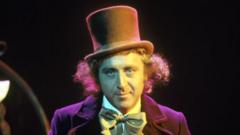
Netflix's "Wonka" series drew swift criticism this week after the streaming giant used artificial intelligence to recreate Gene Wilder's voice for the beloved actor's appearance in the show. Wilder, who originated the role of Willy Wonka in 1971's "Willy Wonka and the Chocolate Factory," died in 2016.
Netflix secured permission from Wilder's estate before deploying the AI recreation, a legal shield that failed to prevent immediate backlash from fans and industry observers. The decision sparked debate about whether consent from heirs suffices when the technology involves reanimating a deceased performer's distinctive voice, one of cinema's most recognizable in Hollywood history.
The controversy touches a raw nerve in entertainment. AI voice synthesis has rapidly advanced, enabling studios to replicate performers with striking accuracy. Yet the technology exists in a murky ethical zone. No industry standard governs when or how AI recreations of deceased actors should appear on screen, and many actors' unions remain skeptical of the practice.
Wilder's estate apparently saw commercial or artistic value in the collaboration. The actor's legacy remains potent across multiple generations. His interpretation of Wonka shaped decades of cultural memory, making his voice a distinct asset. Netflix likely calculated that featuring Wilder's voice would boost the show's appeal and authenticity.
The backlash signals audience unease. Fans argued that using AI to resurrect a performer's voice crosses an ethical line, even with estate approval. Some questioned whether a deceased actor's family should possess sole authority over such recreations. Others worried this precedent would invite studios to systematically rebuild dead performers' likenesses.
The controversy arrives as Hollywood grapples with AI's role across production, from visual effects to writing assistance. Recent actor and writer strikes included provisions addressing AI use, yet gaps remain. The Wilder case exposes those gaps in real time, forcing Netflix and the entertainment industry to confront uncomfortable questions about digital resurrection, artistic legacy, and who owns the voice of the dead.