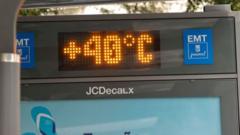
Heat waves expose a critical gap in infrastructure design across Europe and beyond. Energy grids, train systems, and telecommunications networks all face operational collapse when temperatures spike, forcing shutdowns that cascade through entire economies.
The problem stems from aging infrastructure built for cooler climates. Power plants rely on water cooling systems that fail when rivers warm above safe thresholds. France's nuclear reactors have repeatedly shut down during heat waves, forcing the country to import electricity at record prices. Germany's rail network grinds to halt when overhead lines expand and sag. Substations lack adequate ventilation for sustained heat exposure.
Train services buckle under extreme temperatures. Track expansion causes rails to warp and derail trains. Pantograph systems that supply power overhead become unstable. Deutsche Bahn and other European operators have imposed speed restrictions or cancellations during heat events, disrupting millions of commuters and freight operations worth billions annually.
Data centers and telecommunications infrastructure face similar vulnerabilities. Cooling systems designed for historical peak temperatures now operate at or beyond capacity during extended heat waves. Network outages ripple across banking, commerce, and emergency services.
The economic toll compounds. When grids fail, factories shut down. Supply chains fracture. Manufacturing output drops. Insurance claims spike. These aren't minor disruptions. A single sustained heat wave costs European economies billions in lost productivity and emergency interventions.
Climate projections make this worse. Heat waves arriving more frequently and lasting longer mean infrastructure built to 1990s temperature standards faces regular stress by 2030. Retrofitting existing systems costs far more than designing new ones for higher temperatures. Governments face a choice: upgrade infrastructure now at enormous expense, or accept recurring outages that cripple essential services.
Some operators have started hardening systems. France upgraded cooling systems at nuclear plants. Germany replaced vulnerable track sections. But the pace lags behind climate acceleration. Most infrastructure remains designed for weather that no longer exists.