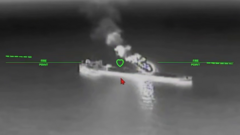
Ukraine has intensified attacks on Russian naval vessels and fuel infrastructure near Crimea, marking an escalation in its strategy to sever Moscow's supply lines to the occupied peninsula. The strikes target both warships and energy resources critical to Russia's operations in the region.
The attacks fit a broader Ukrainian campaign aimed at isolating Crimea economically and militarily. By disrupting fuel supplies and targeting shipping routes, Ukraine aims to degrade Russia's ability to sustain forces across occupied territories. This approach reflects a shift in Ukrainian tactics, moving beyond ground combat to target the logistics networks that sustain Russian military presence.
Recent strikes have damaged or destroyed Russian vessels used for transport and supply missions. The attacks also target fuel storage facilities and refinery infrastructure that support Russian operations. Ukrainian forces have demonstrated improved capability to strike targets across the Black Sea region, using both drone and missile technology to reach objectives at greater distances.
Russia has responded by attempting to reinforce naval assets and increase defensive measures around key infrastructure. However, the frequency of Ukrainian strikes suggests Moscow struggles to adequately protect sprawling supply networks across occupied territories.
The campaign reflects Ukraine's recognition that degrading Russian logistics offers a path to forcing concessions without requiring massive manpower advantages. By making occupation costly and operationally difficult, Ukraine pressures Moscow to reconsider the sustainability of its military position in Crimea and eastern Ukraine.
The attacks also carry symbolic weight. Crimea, annexed by Russia in 2014, remains a central objective for Ukraine's counteroffensive strategy. Strikes in the region demonstrate Ukrainian reach and determination to reclaim territory, signaling to both Russia and Western allies that Ukraine maintains offensive capacity despite grinding attrition.