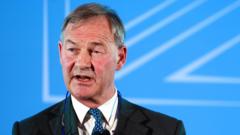
Rupert Lowe, leader of the Restore Britain political party, sparked outrage by describing the 1996 Dunblane school shooting as "one murder" while criticizing the UK's handgun ban. The comment downplayed the mass killing at Dunblane Primary School in Scotland, where gunman Thomas Hamilton opened fire in the gymnasium, killing 16 children and one teacher.
Lowe's remarks came during a discussion about firearms regulation in Britain. He argued that the handgun prohibition, enacted in 1997 following the Dunblane tragedy, represented an overreaction to a single incident. The statement minimized the scale and impact of one of Britain's deadliest mass shootings, which fundamentally changed the nation's approach to gun control.
The Dunblane shooting became a watershed moment for UK firearms policy. In its aftermath, Parliament passed the Firearms (Amendment) Act 1997, banning the private ownership of most handguns. The legislation enjoyed broad public support and represented a decisive shift away from the relatively permissive gun laws that had existed before the attack.
Lowe's characterization drew swift criticism from multiple quarters, including gun-control advocates and families affected by the shooting. The comment highlighted the broader debate within Restore Britain about reshaping British policy across multiple sectors, including its stance on firearms regulation. The party has positioned itself as a challenger to mainstream political consensus on various issues.
The remark underscores the continued sensitivity surrounding Dunblane in British political discourse. Despite decades passing since the tragedy, the shooting remains a defining reference point in conversations about public safety and the proper scope of gun regulation in the UK. Most British voters continue to support the handgun ban established in response to the attack.