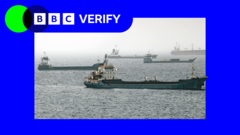
Shipping traffic through the Strait of Hormuz, one of the world's most critical energy chokepoints, dropped sharply following recent attacks on vessels in the region. Data tracking maritime movements shows a significant pullback in oil tankers, liquefied natural gas carriers, and general cargo ships using the US-backed transit route after this week's strikes.
The decline signals growing market anxiety over passage safety. The Strait of Hormuz funnels roughly one-third of all seaborne crude oil and liquefied natural gas globally. Even temporary disruptions ripple across energy markets and shipping costs.
Ship operators face mounting pressure to reroute through longer, costlier paths around Africa or Asia if attacks persist. Insurance premiums for vessels transiting the Strait have already climbed. Some companies now factor in the risk premium as a standard operating cost.
The strikes underscore vulnerabilities in Middle Eastern shipping lanes already strained by regional tensions. Houthi militants have previously targeted commercial vessels in the Red Sea and Strait of Hormuz, citing support for Palestinian causes. Each attack compounds fears among shipping companies already operating on thin margins.
Energy prices typically respond to perceived supply risks. Oil futures markets will likely track further traffic data closely. A sustained reduction in Hormuz transit could tighten crude supplies and push prices upward, affecting everything from fuel costs to petrochemical production globally.
Shipping consultancies monitor these flows obsessively. Real-time satellite data and automatic identification system (AIS) signals give traders and analysts visibility into tonnage movement. When major carriers divert, markets price in scarcity almost immediately.
The route remains operational for now, but hesitation among shippers creates its own economic drag. Companies weighing safety against speed and cost often choose caution. Extended transit times mean delayed cargo, higher financing costs, and supply chain disruption downstream.