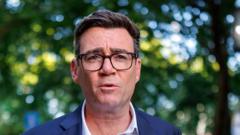
Labour has entered its leadership race following Sir Keir Starmer's resignation. Andy Burnham, the Greater Manchester mayor, emerges as a serious contender in a crowded field of candidates vying to lead the party and potentially become the next Prime Minister.
Burnham brings significant political experience. He served as Health Secretary under Gordon Brown, fought in two previous Labour leadership contests (2015 and 2020), and has spent the last five years building a regional power base as mayor of Greater Manchester. His track record managing one of England's largest metropolitan areas demonstrates executive capability beyond Westminster politics.
The timing shapes Burnham's advantage. Labour MPs enter the selection process with fresh memories of Starmer's tenure and what voters rejected. Burnham represents a pivot toward regional representation and institutional experience. His mayoral work on devolved powers and economic investment offers a contrast to the previous leadership's London-centric approach.
The contest itself reflects Labour's internal fractures. Multiple candidates will split the vote among the membership and parliamentary Labour Party. Burnham's centrist positioning and proven ability to win in traditionally Labour strongholds position him as a unifying figure, though younger candidates with fresh appeal may challenge that narrative.
The stakes extend beyond party management. A Labour leadership change triggers questions about when the next general election occurs and whether the party can recover from recent electoral losses. Burnham's path to Number 10 runs through a divisive selection process and the challenge of repositioning Labour in the current political landscape.
His Manchester credentials and willingness to operate outside traditional Westminster power structures could appeal to a party seeking fresh direction. The coming months will test whether his regional success translates to national leadership.