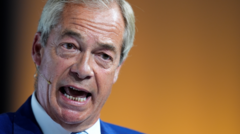
Nigel Farage stepped down as Reform UK leader following mounting pressure over undisclosed financial backing. The party faced scrutiny after reports surfaced that Farage accepted support from an unnamed ally without proper declaration, violating transparency rules designed to regulate political funding.
Farage built Reform UK into a serious electoral force ahead of the 2024 general election, capitalizing on anti-establishment sentiment and immigration concerns. The party's ascent threatened to splinter the right-wing vote and created significant headwinds for the Conservative Party. His departure disrupts Reform's momentum at a sensitive moment for the party's strategic positioning.
The resignation underscores persistent questions around Farage's relationship with financial disclosure requirements. His political career has repeatedly intersected with funding controversies, stretching back to his years leading UKIP. The undeclared support allegation represents another chapter in that pattern.
Reform UK now faces a leadership vacuum with parliamentary aspirations hanging in the balance. The party must install a new chairman capable of maintaining internal discipline and managing donor relationships within legal boundaries. Successor candidates will inherit a politically energized base but also a tarnished reputation around financial governance.
The timing complicates Reform's broader strategy. The party has positioned itself as an alternative to traditional Westminster politics, yet internal scandals involving money undermine that pitch. For Farage personally, the resignation marks a tactical retreat rather than a final exit from British politics. His influence over Reform UK will likely persist behind the scenes regardless of his formal title.
The episode reveals how quickly political momentum can evaporate when institutional safeguards get sidestepped. Reform UK enters uncertain territory without its defining figure at the helm.