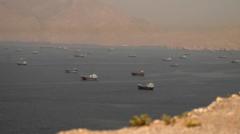
The US and Iran escalated military tensions in the Middle East after tanker strikes in the Strait of Hormuz triggered retaliatory strikes from both sides. The US military struck Iranian missile sites and command centers, while Iran launched attacks on American military bases in the region.
The tanker incidents in the strategic waterway, one of the world's most critical shipping lanes, marked a dangerous flashpoint between the two nations. The Strait of Hormuz handles roughly one-third of global maritime oil trade, making any disruption there a threat to global energy markets and international commerce.
The US characterized its response as defensive action targeting Iranian military infrastructure. Iran framed its strikes as retaliation against American military presence and operations in the region. Both nations claimed their actions were justified and proportional responses to the other's provocation.
The escalation reflects months of rising tensions between Washington and Tehran. Previous incidents involving US naval vessels and Iranian forces in the Persian Gulf have kept the region on high alert. Energy markets watched closely for any signs of sustained conflict that could disrupt oil supplies from the Middle East.
No immediate reports indicated major casualties or significant damage claims beyond military sites. International observers called for de-escalation as both powers demonstrated willingness to conduct direct military action in disputed waters.
The tit-for-tat strikes underscored the fragile balance in the Gulf and signaled the conflict remained active and unpredictable. Diplomats faced pressure to prevent further escalation that could draw additional regional actors into the conflict or provoke broader military engagement.