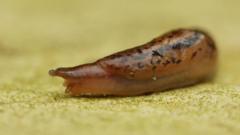
Farmers across multiple regions are deploying predictive models to track slug populations before they devastate crops, turning gastropod behavior into actionable pest management strategy. Scientists have mapped the feeding patterns and movement of slugs under various weather conditions, allowing agricultural operations to time interventions precisely rather than spray indiscriminately.
The research centers on how moisture and temperature drive slug activity. Slugs gorge most aggressively during wet, cool periods, making rainfall forecasts invaluable for farmers planning defense. By predicting peak feeding windows, growers can apply targeted treatments when slugs are most vulnerable or most likely to strike, reducing chemical use and protecting beneficial insects.
This data-driven approach addresses a persistent farm problem. Slugs destroy lettuce, brassicas, and young seedlings worth millions annually across Europe. Traditional blanket pesticide applications waste money and harm soil health. The new models turn slug biology into a competitive advantage.
The work involves tracking individual slug movements and feeding rates under controlled conditions, then validating predictions against field observations. Farmers using these forecasts report significant crop protection gains while cutting fungicide and molluscicide applications by substantial margins. Some operations have reduced chemical inputs by up to 40 percent.
The predictive tools integrate weather data, soil conditions, and slug species identification to generate farm-specific alerts. A farmer receives notification when conditions align for peak slug activity, triggering preventative measures at the optimal moment. This precision timing outperforms reactive spraying after damage appears.
The approach also has broader implications for regenerative agriculture. By reducing chemical dependence and timing treatments ecologically, farmers preserve the soil microbiome while maintaining yields. Universities and agricultural departments are now training consultants to interpret slug behavior data and advise farmers on deployment timing.