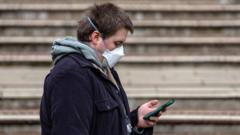
Meningitis spreads through respiratory droplets when infected people cough or sneeze, transmitting bacteria from the nose or throat to others nearby. Asymptomatic carriers pose a particular risk because they harbor the bacteria without showing illness, yet remain contagious.
Early symptoms include sudden high fever, severe headache, and stiff neck. Patients often report muscle pain, sensitivity to light, and confusion or drowsiness. A rash of small red or purple spots can appear on the skin. Babies and young children may display different warning signs: fever, irritability, unusual crying, refusal to feed, or an unusually high-pitched cry.
The disease progresses rapidly. Symptoms can develop within two to ten days of infection, though some forms emerge faster. Without treatment, meningitis carries serious consequences including brain damage, hearing loss, or death. Immediate medical attention becomes necessary upon symptom onset.
Bacterial meningitis remains more dangerous than viral meningitis, though both require urgent care. Vaccination protects against certain bacterial strains, particularly meningococcus and pneumococcus. Healthcare workers, military recruits, college dormitory residents, and others in close quarters face elevated risk due to increased respiratory droplet transmission.
Prevention strategies include maintaining distance from sick individuals, practicing hand hygiene, and staying current with vaccinations. Close contacts of meningitis patients receive preventive antibiotics. Health officials recommend meningitis awareness, particularly during winter months when respiratory infections peak.