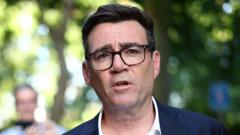
Andy Burnham has ruled out calling an early election after taking the Prime Minister's office this month, committing instead to honoring Labour's 2024 manifesto commitments. The newly elected MP for Makerfield signals stability over political opportunism, resisting pressure that often follows fresh electoral mandates.
Burnham's stance reflects Labour's positioning as a steady governing force following the party's recent electoral victory. By pledging adherence to the manifesto platform, he anchors his administration to specific policy promises rather than pursuing a snap election that could capitalize on any honeymoon period in the polls. This approach contrasts with predecessors who used early election calls to strengthen parliamentary positions.
The decision carries weight for Labour's legislative agenda. Maintaining the current Parliament's schedule allows the government to focus on delivery against stated priorities without the disruption and expense of another campaign cycle. For backbench MPs and party structures, it provides certainty for planning and organization over the coming years.
Burnham's remarks land as Labour builds its transition team and prepares policy implementation across major departments. The party's manifesto commitments span healthcare reform, economic growth initiatives, and social policy changes. By locking himself into that framework publicly, Burnham eliminates speculation about political repositioning that typically surrounds new administrations.
The timing matters for markets and international partners too. Sustained parliamentary certainty reduces volatility and signals predictable governance. For Labour activists and supporters, it represents a rejection of what many viewed as cynical electoral tactics under previous governments.
Whether circumstances force recalculation remains unknowable, but Burnham's early positioning establishes his leadership as committed to mandate delivery rather than power consolidation through electoral gamesmanship.