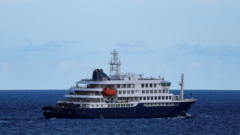
The World Health Organization declared the hantavirus outbreak aboard a cargo ship contained on May 28, with no new cases reported since May 25. WHO Director-General Tedros Adhanom Ghebreyesus confirmed the all-clear status after the vessel underwent decontamination procedures and affected crew members received medical treatment.
Hantavirus spreads through contact with infected rodent droppings, urine, or saliva. The pathogen causes hantavirus pulmonary syndrome, a rare but potentially fatal respiratory illness with a mortality rate around 38 percent. Symptoms include fever, muscle aches, and severe respiratory distress that can develop rapidly.
The outbreak prompted immediate quarantine measures and isolation of symptomatic crew members. Maritime authorities implemented enhanced rodent control protocols aboard the ship to eliminate the source of transmission. Health officials conducted contact tracing among the entire crew to identify anyone with potential exposure.
WHO emphasized the importance of swift containment responses in maritime settings, where close quarters and limited medical resources create elevated transmission risks. The agency highlighted the vessel's rapid decontamination and crew cooperation as key factors in stopping spread.
This outbreak adds to ongoing concerns about infectious disease transmission in cargo shipping environments. Previous maritime incidents involving disease outbreaks have underscored vulnerabilities in vessel sanitation standards and crew health monitoring. The WHO continues monitoring the situation and recommends enhanced surveillance protocols for international shipping routes.
Health authorities stress that hantavirus remains a threat in regions with active rodent populations. Standard prevention includes avoiding contact with rodents, maintaining proper hygiene, and ensuring adequate ventilation in enclosed spaces where rodent activity occurs.