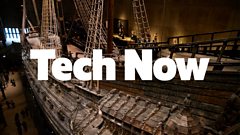
# Tech Preserves Historic Swedish Warship Through Digital Innovation
A Swedish team has deployed cutting-edge technology to preserve a centuries-old warship, combining 3D scanning, digital modeling, and computational analysis to document and protect one of the nation's maritime treasures. The project demonstrates how tech intervention extends far beyond silicon valley into heritage conservation.
The initiative employs high-resolution 3D laser scanning to capture every detail of the vessel's wooden hull, rigging, and structural components. This data feeds into a digital twin, a complete virtual replica that allows conservators to study decay patterns, stress points, and structural vulnerabilities without invasive physical inspection. Machine learning algorithms analyze the scans to predict future deterioration and recommend targeted interventions.
The team also uses drone technology and photogrammetry to document the ship's exterior and surrounding environment, creating georeferenced models that track changes over time. Software platforms allow multiple specialists—naval architects, conservation scientists, woodworkers, and historians—to collaborate remotely on preservation strategies.
This approach radically changes warship restoration. Rather than relying on guesswork or destructive testing, conservators access precise data about wood density, salt corrosion, and structural stress. Augmented reality tools help craftspeople visualize restoration work before implementation, reducing errors and material waste.
The project reflects a broader trend in cultural heritage preservation. Museums and archaeological teams globally now invest in digital documentation, recognizing that creating comprehensive digital records ensures knowledge survives even if physical artifacts don't. For Sweden's maritime history, this warship's digital twin becomes an archive as valuable as the ship itself.
The work also opens pathways for public engagement. Virtual tours and interactive 3D models let historians, students, and enthusiasts explore the vessel remotely, democratizing access to cultural treasures that physical space or conservation protocols might otherwise limit.