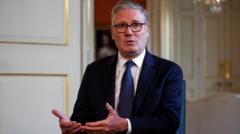
The UK Prime Minister intervened in a scheduling dispute involving the Mexico-England football match after FIFA planned to move kickoff six hours earlier due to predicted thunderstorms. The intervention highlights how high-profile sporting events can attract top-level political attention, particularly when international matches carry diplomatic weight.
FIFA's weather-related decision would have shifted the match to an earlier slot to avoid dangerous lightning conditions in the host nation. However, the timing change created complications for broadcast schedules, fan logistics, and team preparations on both sides. The Prime Minister's office pushed back on the proposal, signaling that the UK government viewed the original kickoff time as important enough to warrant direct engagement with football's governing body.
This move underscores how politics and sport intersect at major international tournaments. A Mexico-England fixture carries cultural and competitive significance beyond the pitch. Rescheduling conflicts affect television networks, travel arrangements for supporters, and the overall tournament experience. The Prime Minister's involvement suggests the government weighed in on what might appear to be purely sporting or logistical grounds.
The episode reflects broader tensions within modern football governance. FIFA operates with significant autonomy in competition decisions, yet national governments and broadcasters maintain leverage through diplomatic channels and contractual relationships. Weather protocols exist for player safety, but they must balance against operational realities.
The outcome of this particular dispute remains tied to how FIFA ultimately resolved the scheduling conflict. Whether the match proceeded at the original time or FIFA held firm on its safety decision reveals how much weight prime ministerial intervention carries in international sports administration. Either way, the incident demonstrates that even kick-off times at major tournaments can become matters of national interest.