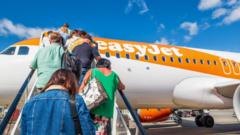
EasyJet's board has accepted a £5.2 billion takeover bid from US investment firm Castlelake after rejecting four earlier offers. The agreement comes after months of negotiation and represents a significant shift for the budget carrier, which had consistently rebuffed Castlelake's advances.
Castlelake, a Dallas-based private equity and infrastructure investment firm, will acquire the airline at 546 pence per share. This valuation marks a premium to EasyJet's trading price before the deal announcement, rewarding shareholders who have weathered turbulence in the aviation sector and EasyJet's recovery from pandemic-era losses.
The board's reversal follows strategic reconsideration of the airline's standalone position. EasyJet operates over 300 routes across Europe and North Africa with a fleet of more than 300 aircraft. The low-cost model that built the carrier into one of Europe's largest budget operators now faces pressure from rising fuel costs, labor disputes, and intense competition from rivals like Ryanair and Wizz Air.
Castlelake's infrastructure investment focus suggests plans to stabilize and potentially restructure the airline's operations rather than pursue aggressive expansion. The firm typically takes long-term positions in transportation assets, which differs from traditional private equity playbooks.
The deal remains subject to regulatory approval, particularly from UK authorities and the Civil Aviation Authority. European aviation regulators will scrutinize any potential changes to route capacity or staffing. EasyJet's workforce, represented by unions, will monitor implications for employment and labor agreements.
Shareholders will vote on the takeover, with the transaction expected to complete by late 2025 if approved. For EasyJet's founder and largest shareholder Stelios Haji-Ioannou, the deal presents a liquidity event after years of public disputes with management and the board over strategy and capital allocation.
The agreement marks consolidation in European budget aviation as smaller carriers face mounting operational pressures and capital requirements to modernize fleets and meet sustainability mandates.